
Reclaiming Strength After Chronic Fatigue
Recovery after illness isn’t just about feeling better-it’s about rebuilding what exhaustion took away. For many, the return to normal life after an infection, surgery, or chronic condition can feel unpredictable. Energy levels fluctuate, the body tires easily, and even simple routines can seem overwhelming.
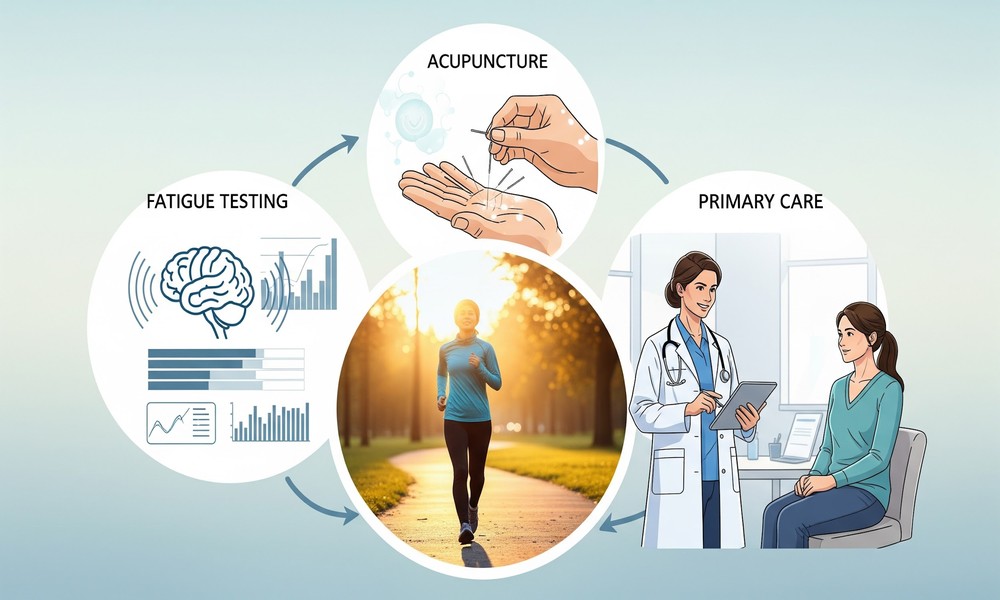
Understanding why fatigue lingers and how to safely regain strength is key to long-term recovery. A collaborative approach that includes objective fatigue testing, holistic therapies such as acupuncture, and ongoing primary care management provides the structure patients need to restore balance. When these elements work together, recovery becomes more predictable, sustainable, and deeply restorative.
Measuring Fatigue: Understanding What the Body Is Telling Us
Fatigue is more than feeling tired-it’s a complex biological signal that energy production and recovery mechanisms are under strain. After illness, patients often report feeling physically capable yet unable to sustain activity without a “crash.” This is especially true for individuals recovering from post-viral syndromes or long-standing inflammatory conditions.
Objective fatigue measurement provides clarity. Tools like 2-Day Cardiopulmonary Exercise Testing (CPET) evaluate how the body generates and recovers energy over consecutive days. The test measures oxygen consumption, heart rate, and metabolic output during exertion, highlighting inefficiencies in energy recovery that might not appear during single-day testing.
This form of fatigue testing has become crucial in identifying post-exertional malaise (PEM)-the hallmark symptom of conditions such as Myalgic Encephalomyelitis (ME). For patients pursuing medical documentation, it also provides objective evidence of energy limitations, sometimes used when proving ME/CFS-related disability.
But beyond its diagnostic use, this data empowers patients. By revealing measurable thresholds, it helps guide safe pacing strategies-allowing individuals to exercise or perform tasks without triggering severe setbacks.
Translating Results Into Real-World Care
Fatigue testing is only the first step. The real transformation happens when results are interpreted within the context of whole-person care. A well-coordinated medical team uses these findings to design a recovery plan that integrates physical limits, nutritional needs, and mental health support.
For example, a person whose CPET results show impaired oxygen uptake might benefit from low-intensity, interval-based movement rather than traditional endurance exercise. Adjusting daily routines-such as using rest breaks, adaptive work schedules, or ergonomic tools-can prevent overexertion.
Primary care providers serve as the interpreters between data and day-to-day life. They monitor vital signs, adjust medications, and help track progress over time. When combined with physical therapy, nutrition counseling, or acupuncture, the plan becomes a roadmap that respects the body’s natural pace of recovery.
Restoring Balance Through Holistic Therapies
Healing after illness involves more than physical recovery-it also requires restoring the body’s internal rhythm. Chronic fatigue often leaves patients feeling out of sync, with disrupted sleep, heightened stress, and poor circulation contributing to ongoing exhaustion. Integrative therapies such as acupuncture can play a valuable role in reestablishing this balance.
Rooted in traditional Chinese medicine, acupuncture targets precise points on the body that influence the flow of energy and blood. Stimulating these points supports circulation, calms the nervous system, and encourages the release of endorphins and anti-inflammatory compounds that promote healing. Providers like California Mobile Acupuncture emphasize the value of in-home acupuncture care, noting that receiving treatment in a familiar environment can enhance comfort, relaxation, and consistency-particularly for those managing fatigue or limited mobility.
In modern recovery care, mobile acupuncture is increasingly recognized as a complementary therapy for restoring energy and improving overall wellness. By combining accessibility with a holistic approach, it allows patients to receive consistent, restorative treatment that supports both physical and emotional recovery.
The Central Role of Primary Care in Long-Term Recovery
While specialized testing and holistic treatments play distinct roles, primary care remains the foundation of sustainable recovery. Primary care providers manage the big picture-overseeing chronic conditions, coordinating between specialists, and ensuring continuity across every stage of healing.
For people recovering from fatigue-related illness, chronic care management means more than lab work and medications. It includes ongoing evaluation of sleep, nutrition, pain, and mental health. Fatigue can be influenced by multiple physiological factors-iron levels, thyroid hormones, blood pressure, or even dehydration-and addressing these in tandem promotes steadier improvement.
Regular check-ins also allow physicians to recognize subtle warning signs before they escalate. For instance, recurring headaches or dizziness might suggest cardiovascular strain, while persistent sleep disruption may point to hormonal or stress-related issues. With continuous oversight, the primary care team ensures that no aspect of recovery is left to chance.
Integrating Disciplines for Stronger Outcomes
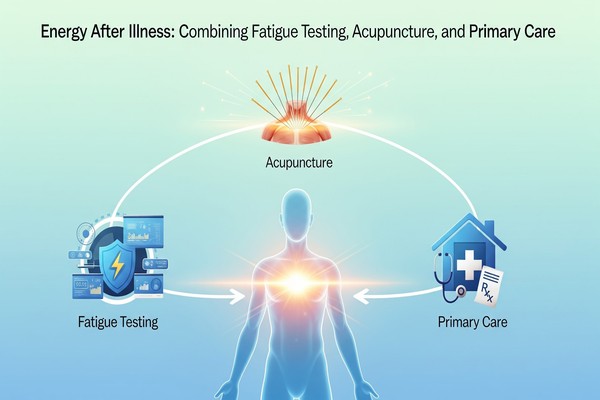
Recovery is most effective when scientific assessment, medical guidance, and restorative therapy operate in harmony. Each discipline brings something unique:
- Fatigue testing provides objective insight into the body’s energy capacity.
- Acupuncture supports physiological balance and emotional grounding.
- Primary care ensures coordination, monitoring, and preventive oversight.
When combined, these approaches form a closed feedback loop. A patient’s CPET results inform safe exertion limits. Primary care then adapts treatment around those parameters. Acupuncture supports the body’s ability to rest and regenerate between medical interventions. This collaboration replaces guesswork with precision-and replaces isolation with partnership.
Emotional Healing: The Often-Overlooked Component
The emotional impact of chronic fatigue can be just as debilitating as the physical symptoms. Patients may feel misunderstood by employers, disconnected from friends, or uncertain about their future. In some cases, the unpredictability of symptoms leads to anxiety or depression.
This is why compassionate, holistic care is essential. Primary care physicians and therapists can address mood changes and recommend counseling or support groups. Acupuncture, through its calming effect on the nervous system, may reduce stress hormones and promote emotional equilibrium.
Patients often report that the combination of measurable progress (from medical monitoring) and gentle, body-based therapy (like acupuncture) gives them hope-a vital component of recovery that data alone cannot provide.
Practical Steps for Patients Rebuilding Energy
Reclaiming vitality after illness is a gradual process that requires consistency, patience, and support. A few guiding principles can help:
- Honor your limits. Use fatigue testing results or personal observation to identify your threshold, and pace accordingly.
- Prioritize rest as therapy. Schedule downtime intentionally, not as an afterthought.
- Integrate gentle movement. Low-impact activities such as stretching or short walks can maintain circulation without triggering exhaustion.
- Stay connected to care. Regular follow-ups with your primary care team ensure medical and emotional needs are aligned.
- Explore holistic support. Acupuncture and other restorative practices can complement medical management and reduce relapse risk.
Each small adjustment-resting before exhaustion, balancing nutrition, or incorporating relaxation-moves the body toward stability and resilience.
The Importance of Collaboration in Modern Recovery
Fatigue is not a one-dimensional problem, and recovery shouldn’t be either. Multidisciplinary care reflects a growing understanding that chronic conditions require ongoing dialogue between different medical perspectives.
Scientific institutions continue to refine testing methods that reveal how the body handles exertion and recovery. Primary care teams interpret that science within a patient’s real-life context-nutrition, stress, family dynamics, and daily demands. Holistic practitioners complement this by helping the body process and integrate healing on a deeper level.
The future of chronic fatigue management lies in this kind of integration: data guiding care, care guided by empathy, and all systems working toward balance rather than quick fixes.
Conclusion: Redefining Recovery Through Connection
Healing from fatigue or long illness is rarely about returning to the past-it’s about building a new equilibrium. By combining evidence-based diagnostics, attentive primary care, and holistic support, recovery becomes more than symptom management; it becomes restoration of self.
When testing clarifies the body’s limits, medical teams can guide safe progress. When therapy restores calm and flow, the mind learns to trust the body again. And when primary care connects every piece, the patient is no longer navigating alone.
True recovery is collaborative. It honors science, embraces balance, and, most importantly, restores the quiet confidence that healing-though slow-is entirely possible.