
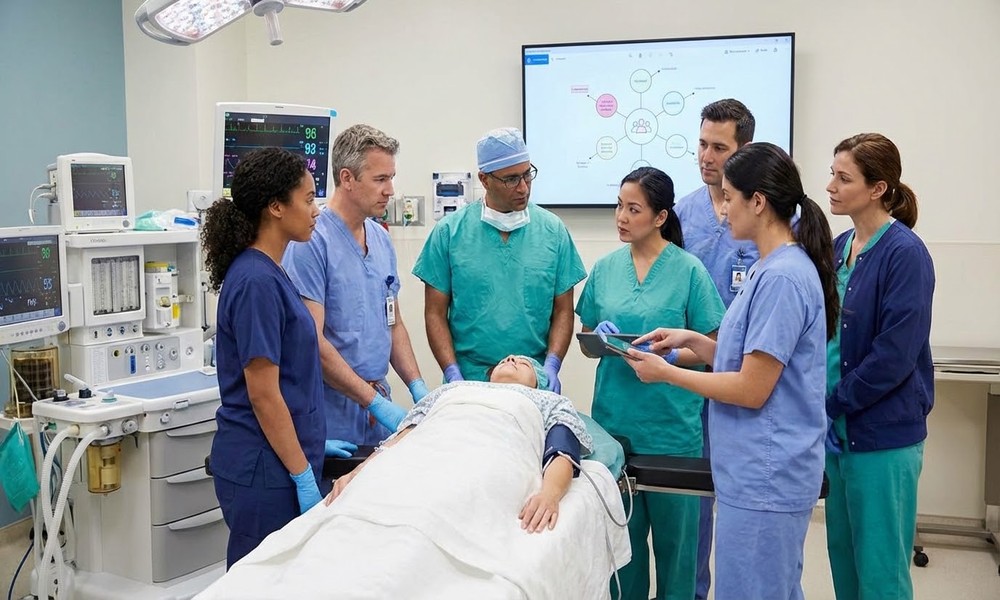
Surgery has never been a one-person effort. Even in its earliest forms, successful care depended on more than the surgeon alone. Today, that reality is clearer than ever. Modern healthcare depends on collaboration among specialists, primary care providers, rehabilitation experts, and support services to guide patients from diagnosis through recovery. A multidisciplinary approach brings those perspectives together, helping providers understand the full picture instead of focusing on just one part of a patient’s condition.
This kind of collaboration is not just good teamwork. It has a direct impact on how accurately conditions are diagnosed, how effectively treatment is planned, and how smoothly recovery progresses. When providers communicate and coordinate well, patients benefit from better-informed decisions, fewer complications, and stronger long-term outcomes. That is one reason multidisciplinary care has become a core part of high-quality surgical treatment.
Comprehensive Diagnosis Through Shared Expertise
Accurate diagnosis is the starting point for any successful surgical outcome. When multiple specialists evaluate a patient, each brings a different perspective that can uncover issues that might otherwise go unnoticed. A structural problem identified by a surgeon, for example, may also involve neurological, metabolic, or lifestyle-related factors that need attention.
In multidisciplinary settings, imaging specialists, primary care providers, and surgeons often review findings together. That shared process lowers the risk of misdiagnosis and helps ensure that treatment decisions are based on a more complete understanding of the patient’s health. It also makes it easier to spot risks early, before they complicate surgery or slow recovery.
This kind of collaborative diagnosis is especially valuable in complex cases, where symptoms may overlap across several body systems. By combining their expertise, providers can reach more precise conclusions and help patients avoid unnecessary procedures or delays in care.
Coordinated Preoperative Planning
What happens before surgery matters just as much as the procedure itself. A multidisciplinary team helps make sure every part of a patient’s readiness is addressed, from physical health to emotional preparedness. That may include nutritional support, medication adjustments, and prehabilitation exercises that strengthen the body ahead of surgery.
Primary care coordination plays an important role at this stage. Providers such as Forever Young can help manage chronic conditions, monitor overall health, and make sure patients are in the best possible condition before surgery. That preparation can lower the risk of complications such as infection, delayed healing, or adverse reactions to anesthesia.
Coordination between specialists also helps align the surgical plan with the patient’s broader health needs. If a patient has cardiovascular concerns, for instance, those factors can shape decisions about timing, technique, and perioperative care. That level of planning creates a safer path forward and supports a smoother recovery.
Specialized Surgical Precision
Surgical outcomes often improve when procedures are performed with a strong understanding of both function and appearance. In fields such as facial plastic surgery, that balance is especially important, since even small changes can affect breathing, expression, and overall facial harmony. A facial plastic surgery provider in Plano, TX, such as North Texas Facial Plastic Surgery, often emphasizes this dual focus by addressing structural concerns while preserving the patient’s natural features and identity.
A multidisciplinary approach can strengthen that precision even further by bringing in insight from related specialties. Collaboration with dermatologists, anesthesiologists, ENT specialists, and rehabilitation professionals can shape both the surgical plan and the recovery process. That team-based perspective supports more thoughtful decisions, from tissue handling techniques to post-operative care.
By integrating expertise across disciplines, surgeons can better align clinical goals with patient expectations. Functional improvements, such as easier breathing, better mobility, or greater comfort, can be carefully balanced with aesthetic considerations. The result is a more complete approach to care, one that supports successful procedures, smoother recovery, and lasting patient satisfaction.
Enhanced Communication Across Care Teams
Clear communication is one of the biggest strengths of multidisciplinary care. When providers share information effectively, they can coordinate treatment, avoid duplicated efforts, and respond faster when a patient’s condition changes.
That communication goes beyond formal case meetings. Shared medical records, routine updates, and collaborative decision-making all contribute to a more connected care experience. Patients benefit from clearer guidance and more consistent messaging throughout treatment.
Strong communication also helps reduce errors. When everyone involved understands the plan, there is less risk of conflicting treatments or missed details. In surgical care, where timing and precision matter, that kind of clarity can make a meaningful difference.
Addressing Structural and Musculoskeletal Health
Surgical success often depends on a clear understanding of the body’s structural foundation. In procedures involving the spine or musculoskeletal system, alignment, stability, and biomechanics all play a major role. Input from a spine surgeon in San Ramon, such as those at CalSpine MD, can offer a valuable perspective on how structural imbalances may affect both surgical results and long-term recovery.
When surgeons work alongside musculoskeletal experts, they can better anticipate how a procedure may influence movement, posture, and overall function. Spine care specialists often emphasize that addressing underlying structural issues, such as spinal alignment or joint instability, is essential for improving outcomes, especially in patients with chronic pain or degenerative conditions where surgery is only one part of a larger treatment plan.
Bringing that expertise into surgical planning helps care teams design interventions that do more than solve the immediate problem. It also supports long-term stability, mobility, and quality of life, while lowering the likelihood of repeat procedures.
Postoperative Recovery and Rehabilitation
Recovery does not end when surgery is over. In many cases, the postoperative period is where the most important gains or complications take shape. A multidisciplinary approach helps ensure that patients have the support they need during this critical stage.
Rehabilitation specialists, physical therapists, and primary care providers can work together to monitor healing and guide patients through recovery. That coordinated support helps patients rebuild strength, restore mobility, and regain independence more efficiently.
Support services such as Alpenglow Homecare – NM can also play an important role by providing in-home assistance and daily care. For patients who struggle with mobility or self-care after surgery, that added support can significantly improve recovery.
By addressing both medical and practical needs, multidisciplinary teams help patients move more smoothly from hospital to home. That can reduce readmission rates and support better long-term results.
Personalized, Patient-Centered Care
One of the biggest advantages of a multidisciplinary approach is the ability to tailor care to the individual. Instead of relying on a one-size-fits-all plan, teams can adapt treatment based on a patient’s health profile, lifestyle, and personal goals.
That level of personalization is possible because each provider contributes a different perspective. Together, those insights create a more nuanced understanding of what the patient needs, which often leads to more effective treatment and a better overall experience.
Patients also tend to feel more supported when they know multiple professionals are involved in their care. That can build trust, ease anxiety, and encourage more active participation in the treatment process. And when patients are engaged, they are more likely to follow recommendations and achieve better outcomes.
Reduced Complications and Improved Outcomes
The goal of any surgical procedure is to achieve the best possible result with the fewest complications. A multidisciplinary approach supports that goal by helping teams identify and address risks at every stage of care.
From preoperative preparation to postoperative monitoring, each phase benefits from input across specialties. That broader oversight makes it easier to catch issues early and intervene before they become more serious.
Research and clinical experience continue to show that coordinated care leads to stronger outcomes. Patients often experience fewer complications, shorter hospital stays, and better long-term health. Those results highlight the real value of collaboration in modern surgical care.
Conclusion
A multidisciplinary approach is not just a trend in healthcare. It is a practical, proven way to improve surgical outcomes. By bringing together different areas of expertise, care teams can provide more accurate diagnoses, better preparation, and more effective treatment. The benefits extend well beyond the operating room and influence every stage of the patient journey.
As healthcare continues to evolve, collaboration will remain essential to delivering high-quality care. Patients who receive coordinated, comprehensive support are more likely to recover successfully and see lasting improvements in their health.