
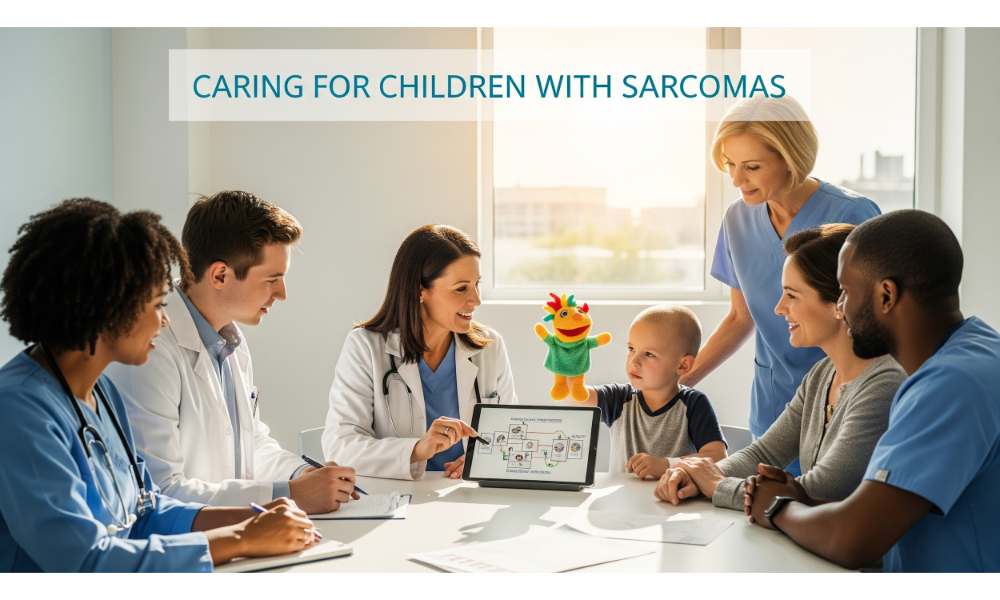
Introduction: Facing a Rare and Life-Changing Diagnosis
Hearing that a child has sarcoma—a rare cancer affecting bones and soft tissues—can turn family life upside down. Parents are suddenly thrust into complex treatment planning while also trying to keep daily routines steady for their child and other siblings. If the child is also neurodivergent or has autism, the challenges multiply: long hospital visits disrupt structure, sensory sensitivities may make treatments harder, and parents can feel pulled between caregiving and maintaining their own well-being.
Families facing this diagnosis often need more than medical treatment; they need a network that addresses the whole child and the entire household. A thoughtful approach combines advanced cancer care, behavioral support for neurodivergent children, and services that sustain parents during exhausting months of treatment and recovery.
Understanding Sarcoma Treatment in Children
Sarcomas can appear in bones, muscles, or connective tissues. They include subtypes like osteosarcoma and Ewing sarcoma, each requiring specialized oncology care. These cancers are rare, so families are often referred to oncology centers experienced in Ewing sarcoma treatment and other complex pediatric sarcomas.
Treatment may involve surgery to remove tumors, chemotherapy, and sometimes radiation. Modern sarcoma programs also offer advanced imaging, genetic testing, and access to clinical trials for new therapies. The primary goal is to control or eliminate cancer while preserving the child’s growth and physical function—especially important for kids who want to stay active and keep up with peers.
When Neurodivergence and Cancer Care Intersect
Autism and other developmental differences don’t pause for a cancer diagnosis. Children on the spectrum may struggle with changes in routine, unfamiliar medical environments, or sensory overload from hospital sounds, lights, and touch. They may have difficulty expressing pain or side effects, making it harder for parents and doctors to respond quickly.
This is where behavioral support can be transformative. Providers like Sunshine Advantage offer ABA therapy services tailored to help neurodivergent children adapt to medical procedures. Therapy can focus on skills such as tolerating medical touch, using visual schedules for hospital visits, or practicing coping strategies for anxiety. Even small improvements—like staying calm during a blood draw—can reduce trauma for the child and stress for the family.
Helping Families Maintain Stability Through Feeding Support
Parents of children with cancer often struggle to keep the household functioning while focusing on treatment. If a new baby is in the home or a mother is breastfeeding, the physical and emotional toll can be intense. Workplace-friendly lactation programs and resources like https://corporatelactation.com/ help parents maintain feeding goals while balancing medical appointments, hospital stays, and return-to-work schedules.
Professional lactation consultants can teach efficient pumping routines, troubleshoot supply changes caused by stress, and create plans for milk storage during hospital days. This support helps mothers stay physically well, maintain nutrition for their infant, and feel less overwhelmed—critical when their emotional bandwidth is already stretched.
The Emotional Weight of a Complex Diagnosis
A pediatric cancer diagnosis creates anxiety for the entire family. Parents often feel guilt or grief while managing logistics and advocating for their child. Siblings may feel left out as attention shifts to the child in treatment. When the child is neurodivergent, the effort to maintain predictability and comfort becomes even more demanding.
Behavioral therapists and parent coaching can reduce some of this burden by helping families adjust routines and teach coping strategies. Lactation support for new mothers and clear medical guidance for parents reduces stress and physical exhaustion. Together, these services protect family resilience in a time when emotional energy is scarce.
Why Whole-Family Care Improves Outcomes
Medical teams have long recognized that children do better when the family is supported, not just the patient. A connected care plan might look like this:
- Oncology teams design an individualized Ewing sarcoma treatment plan, balancing aggressive cancer control with long-term mobility and growth.
- ABA therapists coach neurodivergent children on medical tolerance and self-advocacy, making hospital visits less traumatic.
- Lactation experts help a new mother manage feeding and self-care so she has energy to focus on her child’s recovery.
Each piece is valuable on its own, but together they create stability and reduce caregiver burnout—directly impacting how well a family can follow through with complex treatment.
Practical Steps for Families Seeking Whole-Person Support
Coordinating multiple specialists can feel overwhelming, especially when time and emotional energy are limited. Before diving into a checklist, it’s helpful to view this as building your child’s care “village.” You’re not alone—you’re creating a team that works toward the same goal: helping your child recover while protecting family life.
- Start with trusted oncology care: Seek specialized centers with experience in pediatric sarcomas and access to advanced options such as limb-sparing surgery or clinical trials for Ewing sarcoma treatment.
- Add behavioral support early: If your child has autism or struggles with medical settings, ask about ABA therapy services that focus on coping with hospital routines and anxiety.
- Plan for home stability: For families with infants, look into lactation programs to keep feeding manageable and reduce stress.
- Communicate between providers: Share updates among oncology, therapy, and parental support services so everyone works toward the same goals.
- Prioritize caregiver well-being: Schedule check-ins for your own mental and physical health; sustaining your energy benefits your child’s recovery.
Why Integration Is Crucial in Pediatric Cancer Care
Families managing both sarcoma treatment and neurodivergence face unique stressors. Without coordination, parents can become overwhelmed by separate recommendations, duplicate paperwork, and unpredictable routines. Integration flips this burden. Therapists prepare children for procedures, lactation consultants help stabilize the home, and oncology teams focus on curing cancer—all while communicating so families don’t have to be the sole messengers.
This connected model doesn’t just reduce stress; it also improves adherence to treatment, fosters emotional stability, and helps siblings and parents feel seen.
Conclusion: Healing the Whole Family
Caring for a child with sarcoma is never simple, but it doesn’t have to fracture family life. Specialized oncology programs deliver advanced Ewing sarcoma treatment tailored for growing bodies. Behavioral support through ABA therapy services helps neurodivergent children cope with the unfamiliar and frightening aspects of medical care. Parental resources ensure that even during long treatment journeys, parents—especially mothers—have support for their own physical and emotional health.
When these services work together, families are not left to navigate a crisis alone. Children receive compassionate, skill-building care; parents stay healthier and more resilient; and the whole household finds strength and stability through one of life’s toughest challenges.