
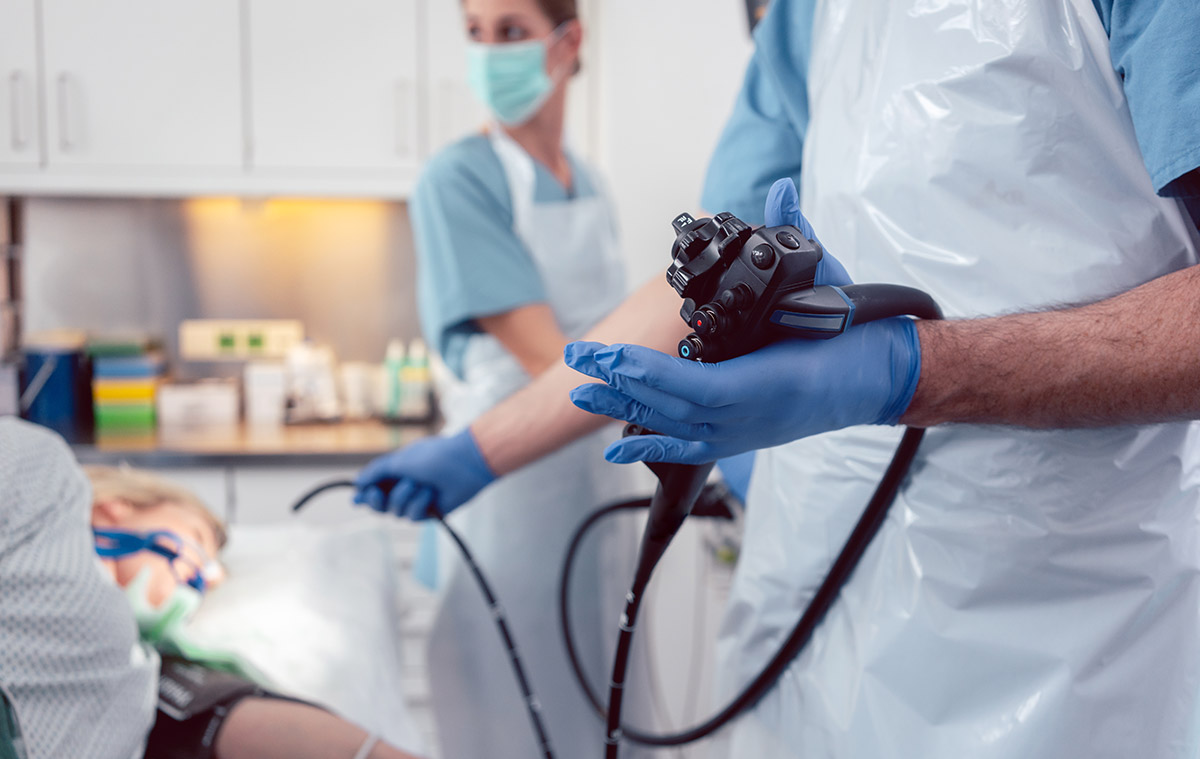
An endoscopy is a medical procedure used to examine the interior of your digestive tract using a flexible tube equipped with a light and camera, known as an endoscope. This tube is carefully inserted through the mouth or rectum, depending on which part of the gastrointestinal system your doctor needs to assess.
It provides a real-time video feed, allowing physicians to detect abnormalities, take biopsies, or even perform minor surgical procedures without the need for open surgery. The ability to both diagnose and treat during a single procedure makes endoscopy a valuable tool in modern medicine.
When Might Your Doctor Recommend an Endoscopy?
Endoscopy is often recommended when patients present with unexplained symptoms affecting the digestive system. These may include persistent nausea, vomiting, abdominal pain, difficulty swallowing, gastrointestinal bleeding, or significant changes in bowel habits.
In some cases, endoscopy is used for routine screening—such as in people at risk of certain cancers—or to monitor chronic gastrointestinal conditions like ulcerative colitis or Barrett’s esophagus. It can also help in diagnosing ulcers, inflammation, tumors, or infections.
By providing a clear view of the internal lining of the esophagus, stomach, and intestines, the procedure helps your doctor make more accurate diagnoses and decisions regarding treatment.
Different Types of Endoscopy Procedures
Not all endoscopies are the same. The type you undergo depends on the part of the body being examined.
- Gastroscopy: Also called upper endoscopy, this involves passing the scope through the mouth to examine the esophagus, stomach, and the upper part of the small intestine. It’s useful for identifying ulcers, reflux disease, and upper GI cancers.
- Colonoscopy: This form of endoscopy examines the large intestine and is typically recommended for colon cancer screening, especially for people over 50 or those with a family history of colorectal cancer.
- Sigmoidoscopy: Similar to a colonoscopy, but it only looks at the lower part of the colon and rectum.
- Capsule Endoscopy: Involves swallowing a small, pill-sized camera that takes thousands of images as it travels through the digestive tract. This is particularly useful for exploring parts of the small intestine that are hard to reach using conventional scopes.
What Happens Before, During, and After the Procedure?
Before undergoing an endoscopy, you will typically receive preparation instructions, such as fasting for several hours or using laxatives if your lower digestive tract is being examined. It’s important to follow these directions carefully to ensure the best results.
During the procedure, you may receive a sedative to help you relax. The doctor then gently guides the endoscope into your digestive tract. While you may feel some discomfort or pressure, the process is usually not painful.
After the endoscopy, you’ll be monitored until the sedation wears off. Some people experience mild throat soreness or bloating, but these effects generally fade within a day. You can often return to normal activities by the following day unless your doctor advises otherwise.
Benefits of Early Diagnosis
One of the most significant advantages of undergoing an endoscopy is the potential for early detection of serious conditions. Identifying problems like tumors, bleeding, or inflammation in their early stages can lead to more effective and less invasive treatments.
In many cases, polyps or growths found during an endoscopy can be removed on the spot, reducing your risk of developing certain cancers later on. This makes endoscopy not just a diagnostic tool, but also a powerful preventive measure.
Potential Risks and How They’re Managed
Like any medical procedure, endoscopy carries some risks, although they are relatively rare. These may include bleeding, infection, or a tear in the digestive tract lining. However, complications are uncommon and are usually minimized by experienced medical teams using advanced equipment.
If a biopsy is taken or polyps are removed, your doctor will provide specific aftercare instructions and schedule a follow-up appointment to discuss results and next steps.
Conclusion
Endoscopy is a safe, effective, and minimally invasive procedure that plays a critical role in diagnosing and treating digestive tract issues. Whether you’re experiencing unexplained symptoms or undergoing routine screening, this tool helps doctors uncover the root of the problem and guide appropriate care. With its dual capacity to investigate and intervene, endoscopy is one of the most valuable procedures in gastrointestinal healthcare today.