
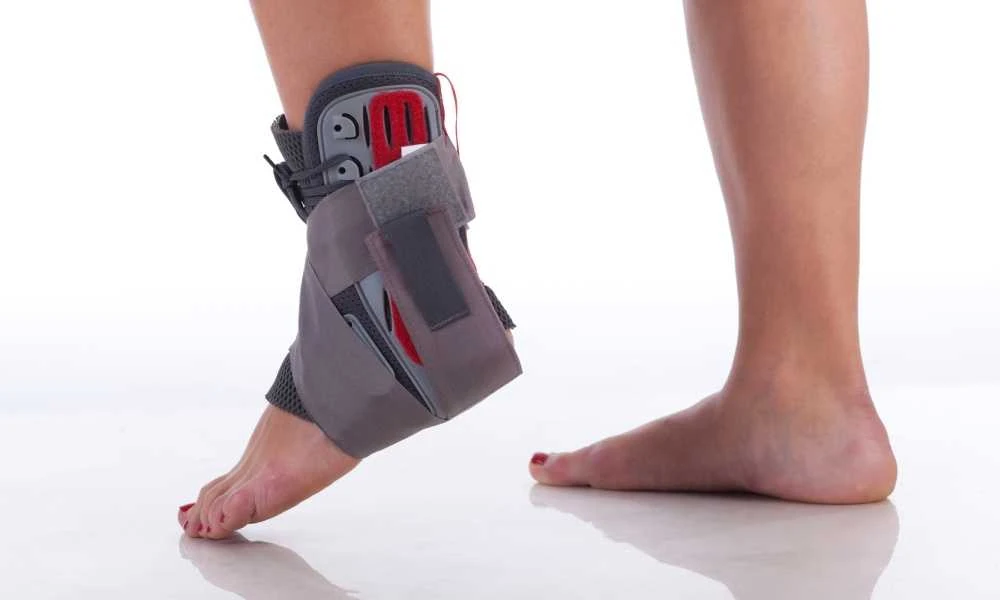
If someone is recovering from an ankle injury that is the result of any sports activity, workout or sudden rolling or twisting of the ankle joint. Then the people often use an ankle binder that helps in providing constant support to the ankle joint and protecting from further damage by preventing the unwanted movement of the joint.
It promotes a better blood flow through its constant compression that aids in reducing the excessive swelling which otherwise causes pain. Yet washing and care of the ankle binder in a correct manner is essential to maintain the effectiveness of the binder while extending the lifespan of it.
But many people lack knowledge about this and can experience skin irritation or discomfort while using the binder. So in this guide we will go through why cleaning of the binder is important, some key tips to maintain the hygiene of the binder and tips for extending lifespan that will help you to keep the binder clean while also maintaining its effectiveness and extending shelf life which will provide you comfort and support for a longer period of time.
Why Cleaning the Ankle Binder is Important?
As the ankle binder remains in direct contact with your skin for several hours that may lead to accumulation of sweat, dust and bacteria and with the passage of time it will cause skin irritation, skin infection and discomfort while using the binder.
Therefore, regular washing of the ankle binder is vital to prevent any buildup of odour, dust or bacteria that will prevent any skin irritation or related problems. However, cleaning should be done in the right way such that it does not damage the binder or reduces its effectiveness or durability.
Key Washing and Care Tips
These are some tips you can follow while washing the binder to maintain its medical effectiveness and lifespan.
1. Reading the Manufacturer Guidelines
There are different types of binder available in the market that are made from different materials like neoprene, elastic, nylon or cotton that require different washing methods but without reading the guidelines can result in damaging the ankle binder and reducing its effectiveness.
But reading the manufacturer washing instructions before washing can help with providing proper washing procedures to wash your binder that will help in cleaning and maintaining its medical effectiveness.
2. Hand Washing Tips
Most of the ankle binder belts are hand washable and it is also the safest option. So follow these given steps to wash in a correct way without damaging the binder:
- Put lukewarm water in the basin. Avoid using hot water as the hot water can damage the elastic materials that will reduce the compression.
- Use mild detergent and mix it with the water. Make sure you do not use harsh chemicals or detergents as it will damage the material and reduce its durability and efficiency.
- Gently rub the binder in the water to remove dust and other contaminants. Do not use harsh rubbing as it will cause loose stitching.
- After washing, place the binder in normal water and remove any detergent residue.
3. Machine Washing Points
Some new ankle binders are also machine-washable. So follow the below instructions to wash properly in the machine:
- Place the binder in the machine bag and put the mixed solution of mild detergent and lukewarm water.
- Set the washing method at a gentle cycle wash to avoid any harsh rounding.
- Remove the detergent by using cold water.
- Moreover, avoid washing it with heavy clothes as it can damage the material of the binder.
4. Air Drying
Proper drying is also essential because wet or damp binder can cause skin irritation or rashes. So follow the below steps for drying binder properly:
- Avoid using iron or dryer for drying as heat can damage the elastic material that reduces the compression
- Make sure you do not place it under direct sunlight or extreme heat for drying as these can reduce the effectiveness and durability of the binder.
- Gently place the binder in a well ventilated room and let it air dry which is best for drying the binder.
5. Storing it Safely
When the binder is not in use proper storing is required to make sure that the binder is not damaged. So consider following steps such as:
- Store the binder in a cool and dry place.
- Make sure it does not come under direct sunlight or excessive heat when storing.
- Do not put heavy clothes or objects upon the binder as it will damage the binder and reduce its durability.
Tips to extend the Shelf Life
Follow these simple tips to increase the shelf life of your binder:
- Fasten the straps before washing the binder as it prevents tearing of straps
- Avoid using the binder on wet skin as it will collect moisture that will reduce the durability.
- Make sure you avoid any harsh chemicals or detergents while washing.
- Regularly check your binder for any signs of torn fabric, dust stains etc to prevent further harm.
Wrapping Up
An ankle binder belt becomes a daily accessory for people who are recovering from any injury or doing a sports activity as it provides regular support to the ankle joint that prevents any unwanted movement which can create discomfort.
Since it remains closely attached with your body for a longer period of time it collects a build up of dust, sweat and bacteria that overtime can cause skin infection or irritation.
So regular washing is important to protect yourself from skin issues. But improper washing can reduce the medical effectiveness and durability of the binder. So having knowledge about why cleaning is important, some essential washing tips like hand washing steps, proper storing and some expert tips to extend the lifespan can help the user to maintain the hygiene while also increasing the shelf life which will aid in experiencing comfort and support for a long term.