
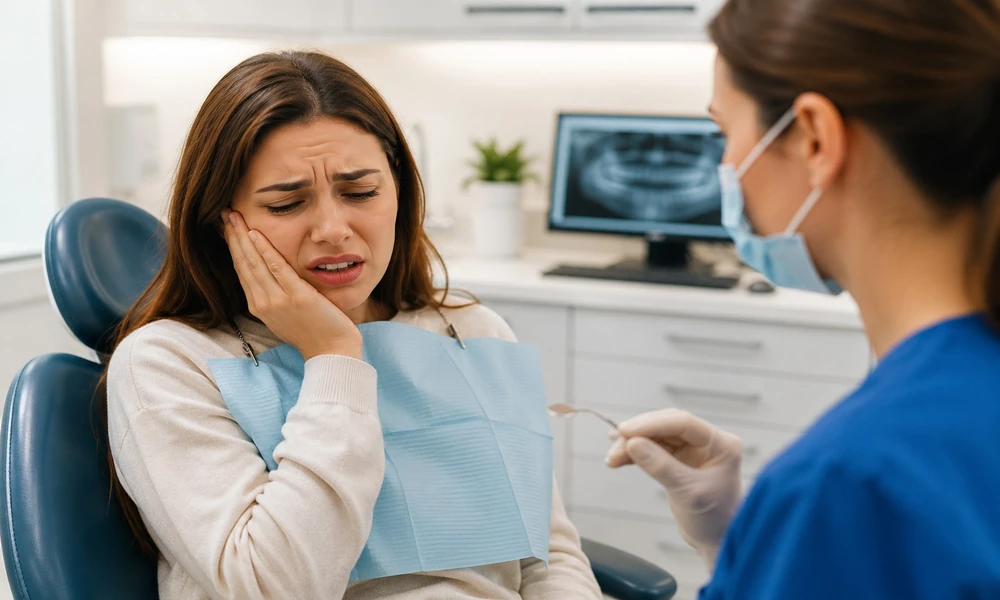
A sudden toothache, a broken tooth, or swelling around your gums can catch you completely off guard. And when it happens outside regular office hours, you may wonder: Is this serious enough to call an emergency dentist, or can it wait until tomorrow?
Knowing the warning signs can help you act quickly, protect your teeth, and avoid unnecessary complications. If you ever need an emergency orthodontist Enid OK,visit Rose Rock Orthodontics. Let us look at when you should seek emergency dental care and what you can do while waiting for help.
1. Severe or Persistent Tooth Pain
A mild toothache may come from trapped food or sensitivity, but intense, throbbing pain deserves attention. Contact your dentist promptly if the pain is severe, keeps returning, or interferes with eating or sleeping. Don’t assume it will disappear on its own. Even if the discomfort suddenly eases, the underlying problem may still need treatment.
2. A Knocked-Out or Broken Tooth
Dental injuries need quick attention, especially when a permanent tooth has been knocked out.
- Knocked-out tooth: Avoid picking the root; pick only the crown. Preferably, place it gently back in its socket. Alternatively, keep it moist in milk or a tooth-preservation solution and seek immediate dental care.
- Cracked or broken tooth: Gently rinse your mouth with water and save any fragments. Significant pain, a large break, or bleeding warrants urgent attention.
Time matters here. Contact a dentist immediately rather than waiting for your next routine appointment.
3. Swelling, Abscesses, or Uncontrolled Bleeding
A dental abscess can be an infection that often causes a pocket of pus, throbbing pain, gum swelling, or a bad taste in your mouth. Facial swelling or fever can indicate a more serious problem.
Never try to pop an abscess yourself. Seek urgent dental assessment. If swelling spreads toward your eye or neck, or if you have difficulty swallowing or breathing, seek emergency help immediately.
Heavy bleeding that does not stop with gentle, continuous pressure also requires emergency medical attention.
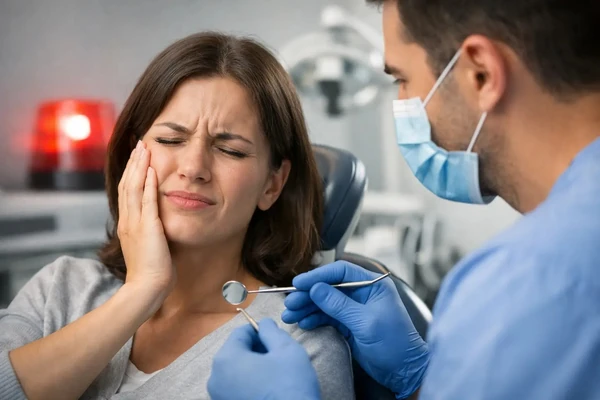
4. Lost Fillings, Crowns, or Other Dental Damage
Losing a filling or crown can feel alarming, but not every case requires an emergency visit in the middle of the night. If you have severe pain, sharp edges, or significant sensitivity, contact your dentist promptly. A lost restoration without pain may be less urgent, but it should still be assessed soon.
Avoid chewing on the affected side, and don’t use household glue to reattach a crown.
5. When Can You Wait for a Regular Appointment?
Some dental issues need attention without going for immediate emergency treatment.
These may include:
- Mild tooth sensitivity without swelling or severe pain.
- A tiny, painless chip in a tooth.
- A loose orthodontic bracket that is not causing injury.
- A lost filling without significant discomfort.
When in doubt, call your dental office and describe your symptoms.
What Should You Do Before Seeing a Dentist?
While arranging care, rinse your mouth gently with warm water. Apply a cold compress to the outside of your cheek if swelling occurs, and use clean gauze with gentle pressure for bleeding. Avoid placing aspirin directly on your gums, as it can damage the tissue.