
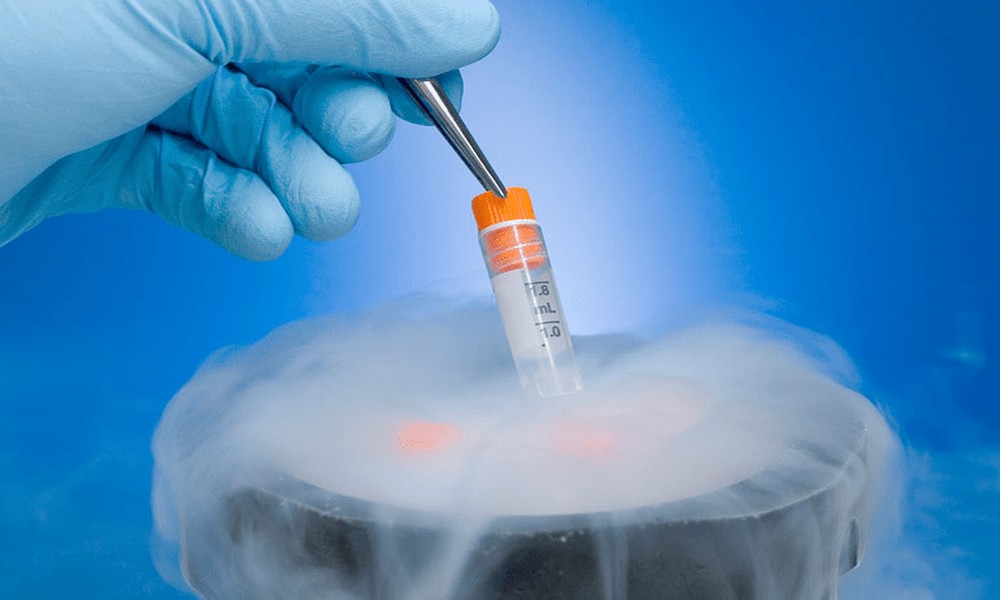
Medical treatments sometimes affect reproductive health unexpectedly. Fertility protection therefore becomes an important early discussion. Many women now consider the egg freezing process before beginning certain medical procedures. That decision helps preserve future pregnancy possibilities without rushing personal choices later.
Age already influences egg quality and ovarian reserve naturally. Medical interventions may place additional pressure on reproductive function. Because of this, fertility specialists encourage planning before treatment schedules begin. Early action often creates better long-term reproductive flexibility.
Why Fertility Preservation Matters Early
Some medical treatments influence hormone balance or ovarian performance directly. Certain surgeries may also reduce healthy egg availability permanently. Once ovarian reserve declines, recovery becomes difficult for many patients.
For that reason, reproductive specialists prefer proactive fertility discussions. Waiting too long limits available preservation opportunities significantly. Timely planning creates more control during stressful healthcare decisions.
Important fertility considerations
- Ovarian reserve changes naturally
- Hormonal balance affects reproduction
- Surgical procedures impact fertility
- Delayed action limits options
- Younger eggs preserve quality
Understanding the Egg Freezing Journey
The procedure begins with hormone stimulation medications first. Those medications encourage multiple eggs maturing during one cycle. Doctors monitor ovarian response through scans and blood testing carefully.
Once eggs reach appropriate maturity, retrieval takes place. The procedure remains minimally invasive and relatively short. Specialists then freeze collected eggs using advanced vitrification technology.
During the egg freezing process, timing plays an essential medical role because mature eggs improve future reproductive possibilities considerably. Proper monitoring also helps specialists adjust medication doses safely.
Three Practical Benefits Before Treatment
1. Greater Future Flexibility
Frozen eggs provide more reproductive choices later. Patients avoid rushed family planning decisions under medical pressure.
2. Emotional Reassurance
Fertility concerns create emotional strain for many women. Preservation offers peace during uncertain healthcare periods.
3. Better Long-Term Planning
Medical treatment remains the immediate priority for patients. Frozen eggs protect future goals without unnecessary compromise.
Emotional Confidence During Medical Planning
Future family decisions carry emotional importance for many individuals. Fertility uncertainty therefore increases pressure before medical procedures begin. Preserved eggs cannot promise pregnancy later, yet they create meaningful possibilities.
That sense of preparation matters greatly during complex healthcare situations. Many patients value having reproductive options protected before treatment begins.
FAQs
Does egg freezing hurt?
Most women experience temporary bloating and mild discomfort during treatment cycles only.
How long does freezing take?
Many treatment cycles finish within two or three weeks comfortably for patients.
Are frozen eggs permanently safe?
Specialized storage methods preserve frozen eggs safely for many years successfully.