
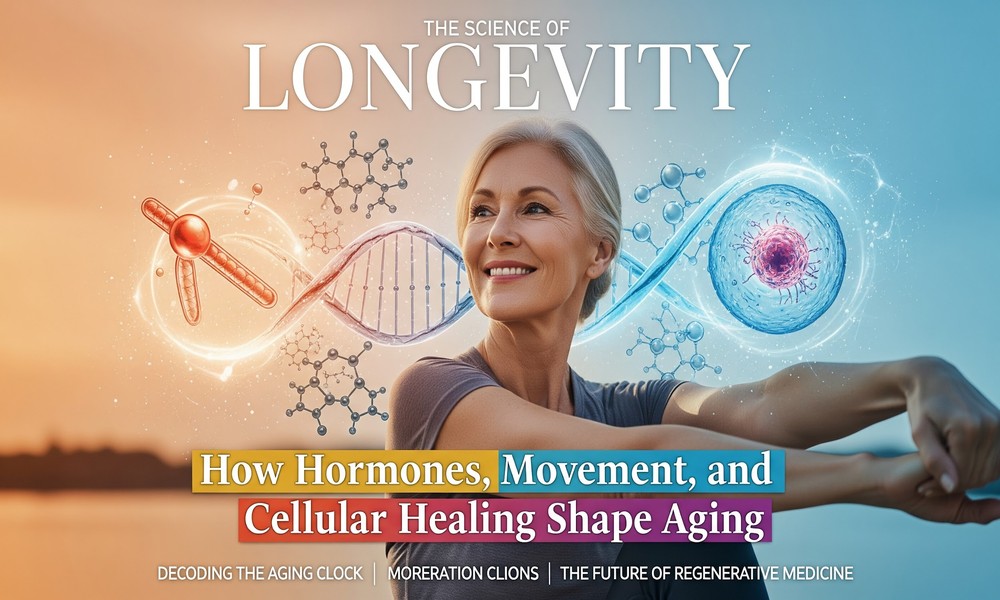
Aging is often viewed as a linear decline, an inevitable march toward decreased energy, mobility, and vitality. Yet modern research in longevity medicine is redefining this perspective. Scientists and clinicians are increasingly focused on the interconnected systems that drive aging, emphasizing hormonal balance, physical movement, cellular repair, and lifestyle interventions as critical factors in extending healthspan-the years lived with vitality and function-rather than simply lifespan. Understanding these mechanisms empowers individuals to make informed choices that support optimal health well into later decades.
The human body is a complex ecosystem. Hormones orchestrate metabolism, tissue repair, and cognitive function, while movement stimulates musculoskeletal health, cardiovascular efficiency, and neural connectivity. Cellular health, including DNA repair and oxidative stress management, determines how effectively the body regenerates and withstands age-related stressors. By approaching aging through a multi-dimensional lens, individuals can take proactive steps to preserve energy, mobility, and overall well-being.
Hormonal Balance as a Pillar of Longevity
Hormones influence nearly every aspect of aging, from metabolism and muscle mass to cognitive function and emotional health. Declines in testosterone, estrogen, growth hormone, and thyroid function can result in fatigue, weight gain, decreased bone density, and lowered immunity. Monitoring and optimizing hormone levels helps mitigate these age-related changes and enhances overall vitality.
Specialized clinics like Lions OpTimal Health offer comprehensive assessments and interventions designed to restore hormonal balance. Treatments such as hormone replacement therapy and peptide therapy aim to support tissue regeneration, optimize metabolic function, and improve energy levels. While hormone therapy is not a panacea, targeted interventions under medical supervision can complement lifestyle measures to support more resilient aging.
Hormonal balance also interacts with mental health. Mood regulation, stress tolerance, and cognitive performance are closely tied to endocrine function, illustrating the need for integrated approaches that consider both physical and psychological health as part of longevity planning.
The Role of Movement in Aging Well
Movement is far more than calorie burning; it is a critical stimulus for preserving function and preventing decline. Resistance training, cardiovascular exercise, flexibility work, and balance activities all contribute to maintaining muscle mass, bone density, joint health, and cardiovascular resilience. Beyond physical benefits, movement supports mood, cognitive health, and sleep quality.
For individuals experiencing musculoskeletal challenges, targeted care is essential. Clinics such as CalSpine MD specialize in assessing and treating back and spinal conditions, enabling patients to regain mobility and reduce pain. Maintaining a functional, pain-free body is essential for sustaining an active lifestyle, which in turn supports hormonal regulation, circulation, and overall longevity.
Regular physical activity also stimulates cellular repair mechanisms, including autophagy and mitochondrial function. By keeping muscles and tissues active, the body maintains resilience against age-related degeneration and chronic disease.
Cellular Health and the Biology of Aging
At the microscopic level, cellular integrity underpins every aspect of longevity. DNA damage, oxidative stress, and telomere shortening contribute to aging and age-related disease. Lifestyle factors, including nutrition, stress management, and targeted therapies, influence the efficiency of cellular repair mechanisms.
Research in peptide therapy has revealed promising avenues for enhancing cellular function. Peptides can support tissue repair, metabolic regulation, and inflammation control, offering a targeted approach to slowing functional decline. Forever Young, for example, incorporates peptide therapies to optimize cellular health and support regenerative processes associated with aging.
Understanding cellular biology provides a framework for personalized longevity strategies. By focusing on repair and protection at the cellular level, interventions can address root causes of functional decline rather than merely treating symptoms.
Nutrition and Metabolic Health
Nutrition plays a central role in hormonal regulation, cellular repair, and movement capacity. Diets rich in micronutrients, lean proteins, antioxidants, and healthy fats support tissue repair, reduce inflammation, and maintain energy balance. Conversely, chronic overnutrition, excessive sugar, or nutrient deficiencies can accelerate metabolic dysfunction and hormonal decline.
A tailored nutrition plan supports both systemic health and the effectiveness of medical interventions. For instance, clinical insights from FYGulfCoast.com suggest that the benefits of hormone therapy programs and peptide therapy for optimal aging are significantly amplified when the body is fueled by a nutrient-dense diet. Adequate protein intake preserves lean muscle mass, crucial for mobility, while antioxidants protect cells from oxidative stress, slowing age-related degeneration.
Metabolic health is a bridge between lifestyle and medical interventions. Supporting insulin sensitivity, cardiovascular function, and lipid balance enhances overall resilience and amplifies the benefits of both exercise and hormonal therapies.
Sleep, Stress, and Recovery
Optimal aging relies not only on active efforts but also on restorative processes. Sleep facilitates hormone regulation, cellular repair, and cognitive consolidation. Chronic sleep deprivation disrupts endocrine function, increases inflammation, and impairs metabolic efficiency.
Stress similarly affects longevity through hormonal pathways. Prolonged elevation of cortisol, the primary stress hormone, can inhibit tissue repair, reduce testosterone and growth hormone levels, and impair immune function. Mindfulness, relaxation techniques, and structured recovery strategies are integral to long-term health maintenance.
By combining structured recovery with medical oversight, individuals can address the cumulative impact of stress and sleep deficits, enhancing the effectiveness of hormonal and movement-based interventions.
Integrating Hormonal Therapy with Lifestyle Interventions
Medical interventions and lifestyle measures work best in concert. Hormone optimization or peptide therapy alone is insufficient without movement, nutrition, and stress management. Similarly, exercise and dietary improvements may be limited if underlying hormonal imbalances are not addressed.
Lions OpTimal Health exemplifies this integrated approach, combining targeted hormone and peptide therapies with individualized lifestyle guidance. Patients receive coordinated plans that balance medical oversight with actionable daily habits, promoting sustainable improvements in energy, mobility, and overall well-being.
This integrated model recognizes the body as an interconnected system, emphasizing synergy rather than isolated treatment modalities.
Maintaining Musculoskeletal Health for Longevity
Spinal and joint health directly influences mobility and quality of life. Conditions like chronic back pain or degenerative disc disease can limit activity, reduce independence, and impact mental health. CalSpine MD focuses on evaluating and treating these issues, employing a combination of physical therapy, minimally invasive procedures, and patient education to restore function.
Maintaining musculoskeletal integrity supports active engagement in life, which is essential for both mental and physical longevity. Pain reduction and improved mobility reinforce adherence to exercise regimens, enabling continued stimulation of hormonal and cellular systems.
Personalized Longevity Strategies
No two bodies age identically. Genetics, lifestyle, medical history, and environmental factors create a unique trajectory for each individual. Personalized assessments that consider hormone levels, musculoskeletal health, cellular repair capacity, and lifestyle patterns allow clinicians to craft interventions that address specific risks and optimize functional outcomes.
Emerging longevity clinics provide comprehensive evaluation and treatment planning, combining evidence-based therapies with ongoing monitoring. By emphasizing personalized care, individuals gain actionable insights into their health trajectory, enabling proactive decision-making to preserve vitality and independence.
Conclusion: Embracing a Holistic Approach to Aging
Aging is not an inevitable decline but a dynamic process influenced by hormones, movement, cellular health, nutrition, and recovery. Integrating medical interventions with lifestyle strategies supports resilience, vitality, and independence at every stage of life. Clinics specializing in hormone optimization, musculoskeletal care, and regenerative therapies offer tools to enhance these processes, but lasting impact arises from a holistic, personalized approach.
By understanding the interplay between endocrine function, physical activity, and cellular repair, individuals can make informed decisions that shape healthy aging. Longevity is not measured solely by years lived, but by the quality, energy, and confidence with which those years are experienced. Through integrated care, proactive lifestyle choices, and continuous learning about one’s body, optimal aging becomes an attainable and empowering goal.